
A Practical Guide for New Labs and Growing Research Facilities
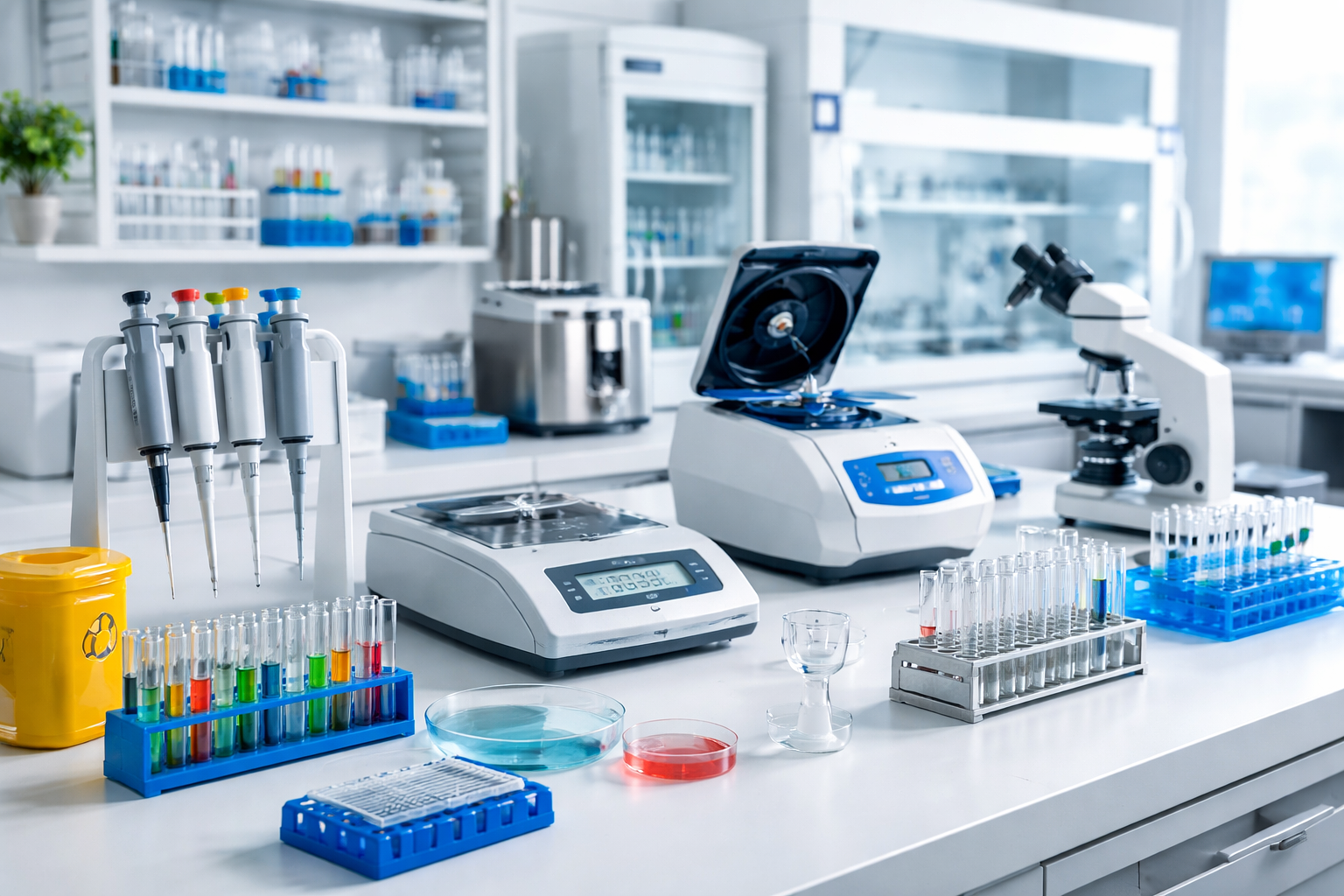 Starting a laboratory—whether for research, diagnostics, education, or industrial applications—requires careful planning and the right foundational equipment. Selecting appropriate instruments from the beginning improves workflow efficiency, ensures data accuracy, and reduces long-term operating costs.
This guide outlines recommended core laboratory equipment needed to launch a functional lab, organized by category. The exact configuration will vary depending on your field (biotech, chemistry, clinical, academic, or industrial), but the items below form the backbone of most modern laboratories.
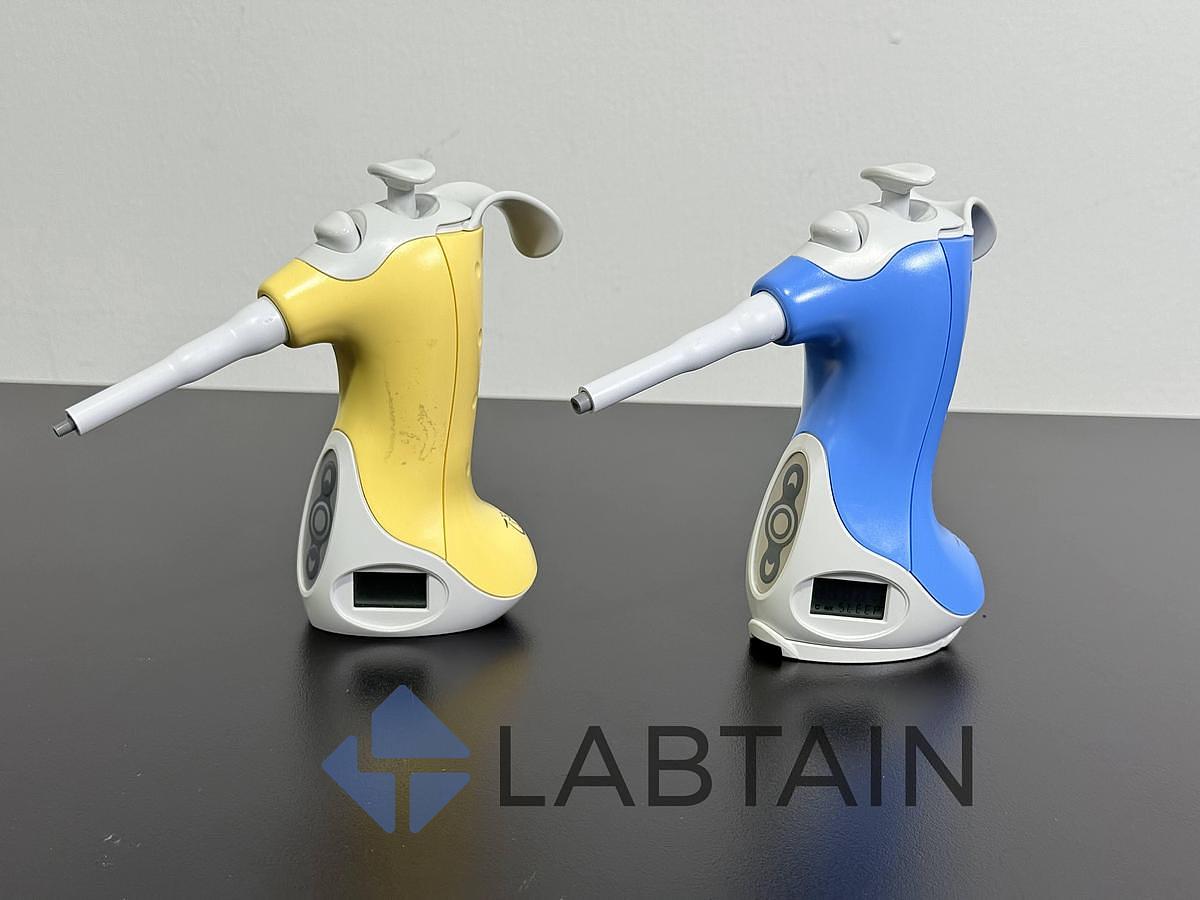
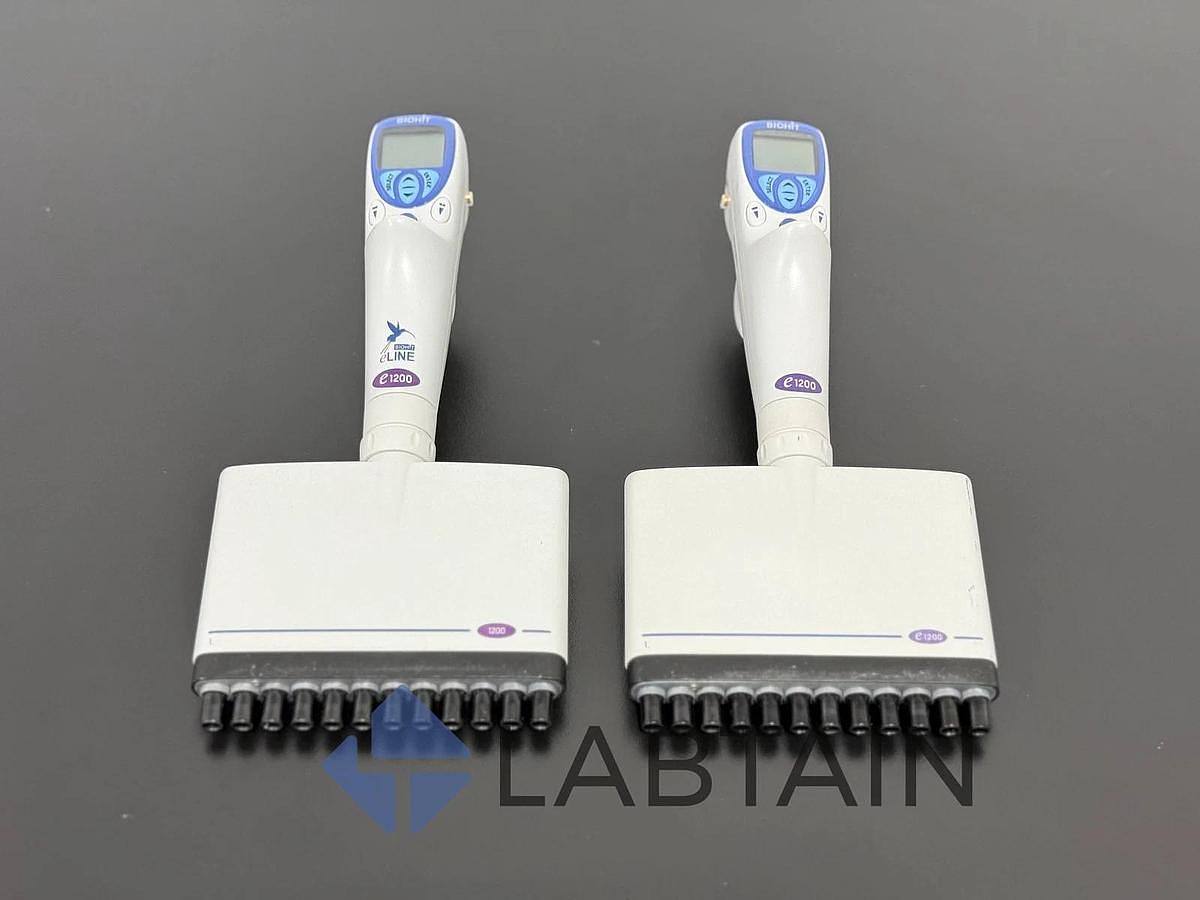
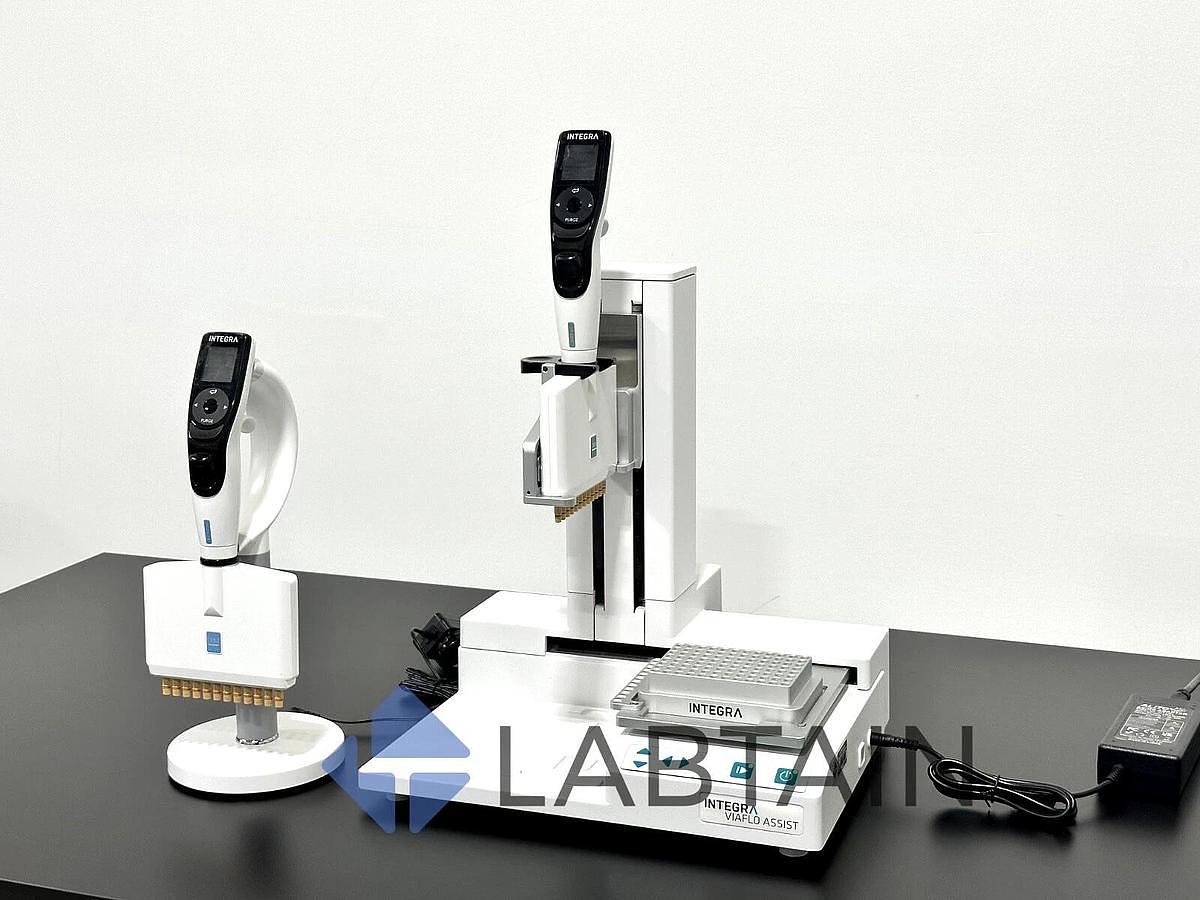
1. Liquid Handling & Measurement
Precise measurement is the foundation of reliable laboratory work.
Recommended equipment:
- Single-channel and multi-channel pipettes
- Pipette controllers (manual or electronic)
- Analytical or precision balances
- Moisture analyzers (if material composition is critical)
Why it matters:
Accurate dosing and weighing directly affect reproducibility, compliance, and experimental integrity.
2. Sample Preparation & Processing
Preparing samples efficiently saves time and prevents contamination.
Recommended equipment:
- Benchtop centrifuges (micro, clinical, or high-speed)
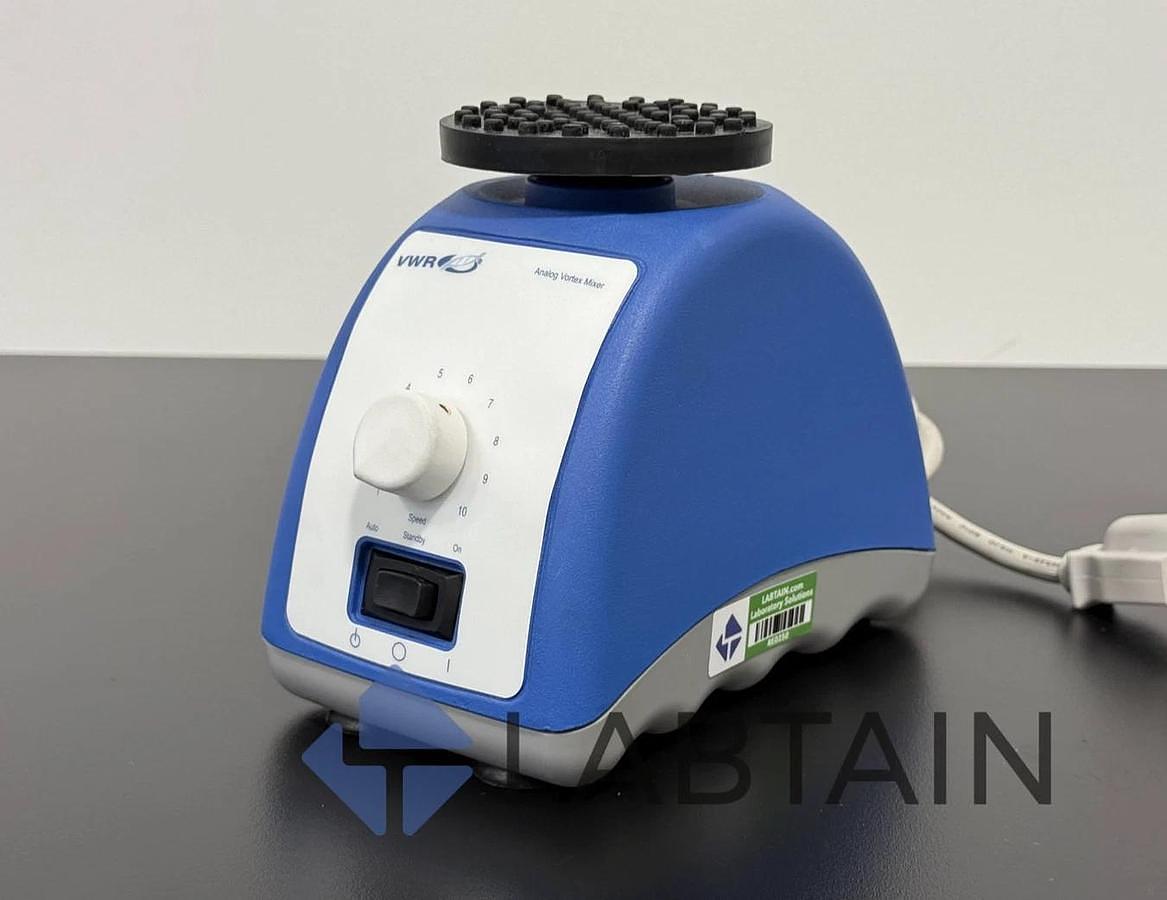
- Vortex mixers
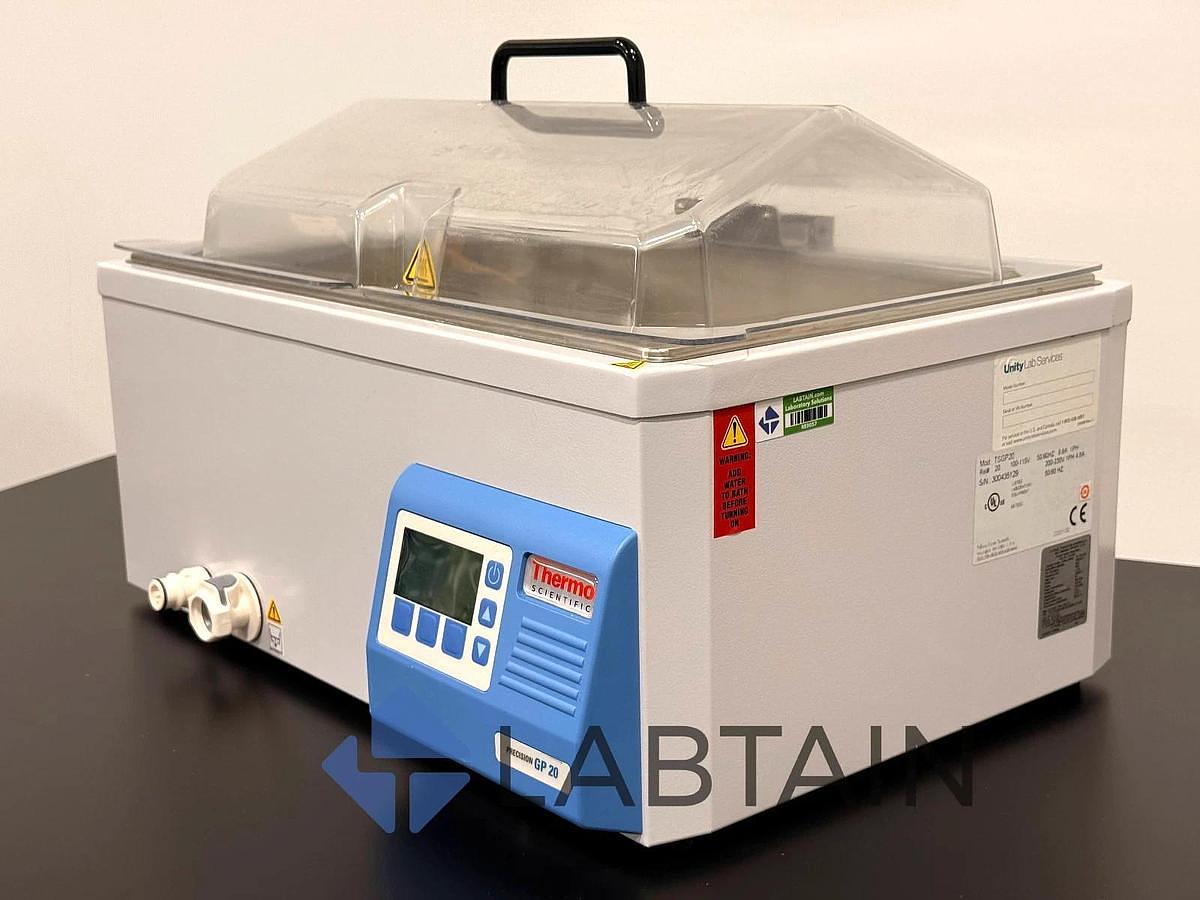
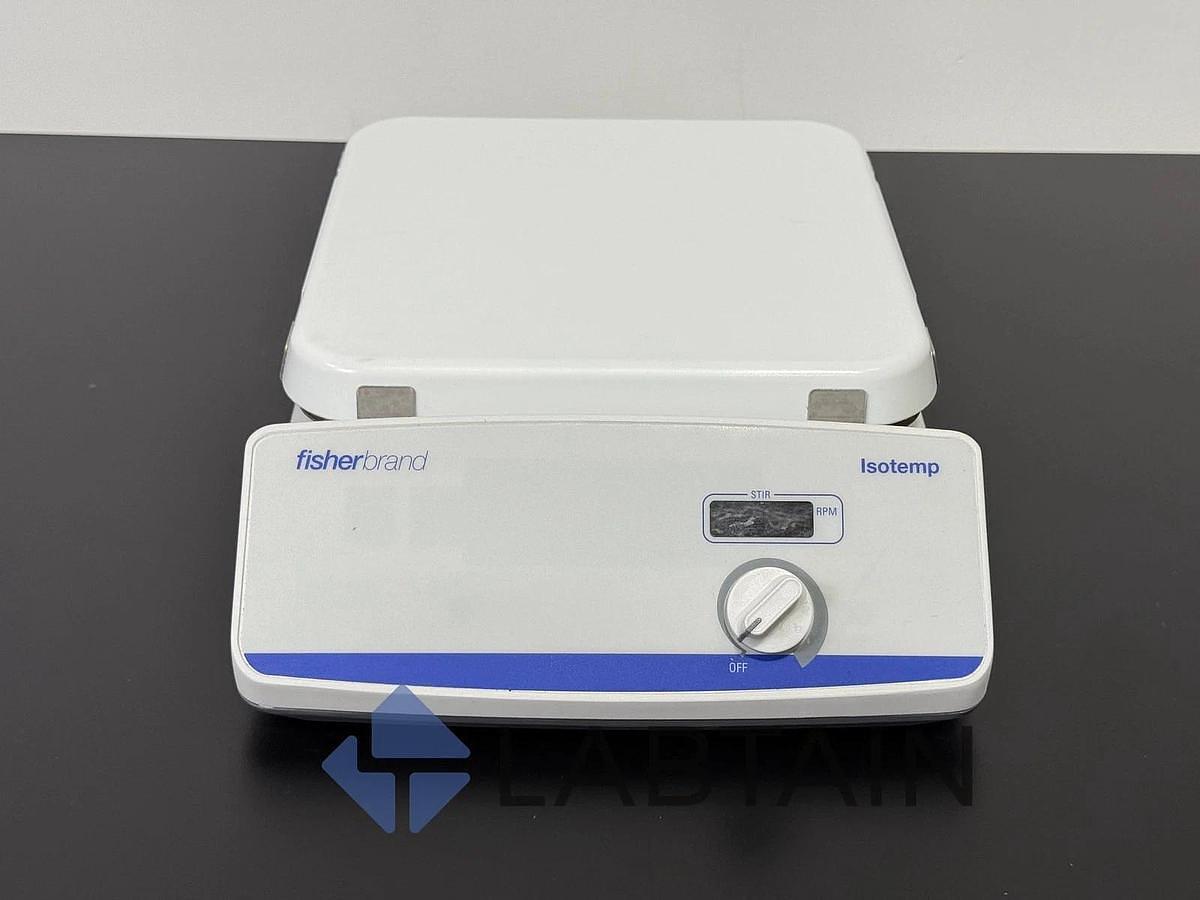
- Hot plates with magnetic stirring
- Water baths
Why it matters:
These tools support routine tasks such as mixing, heating, separation, and reaction preparation
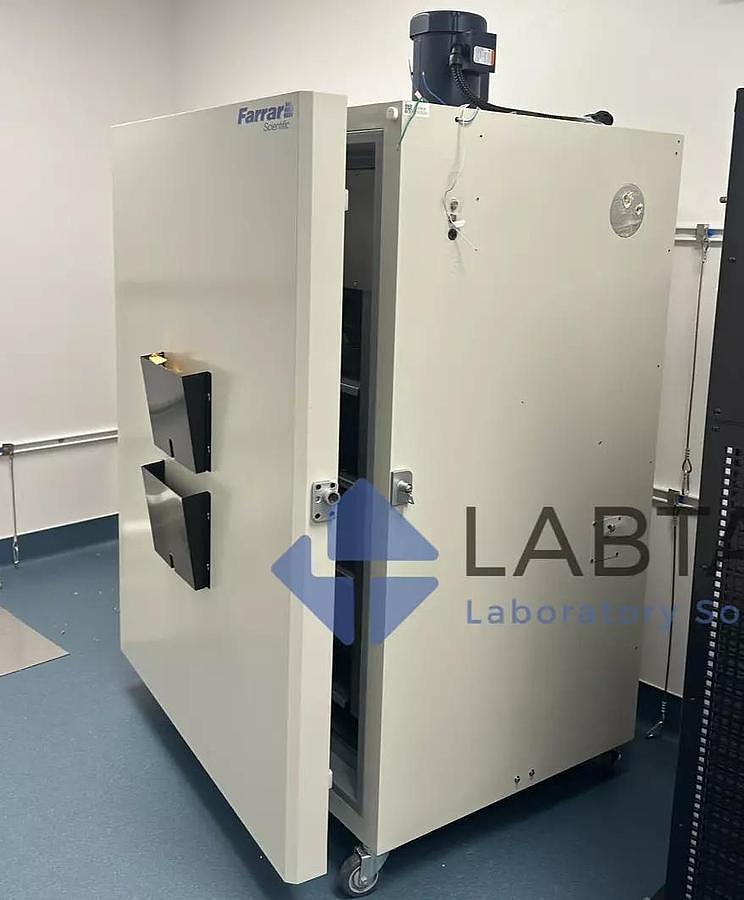
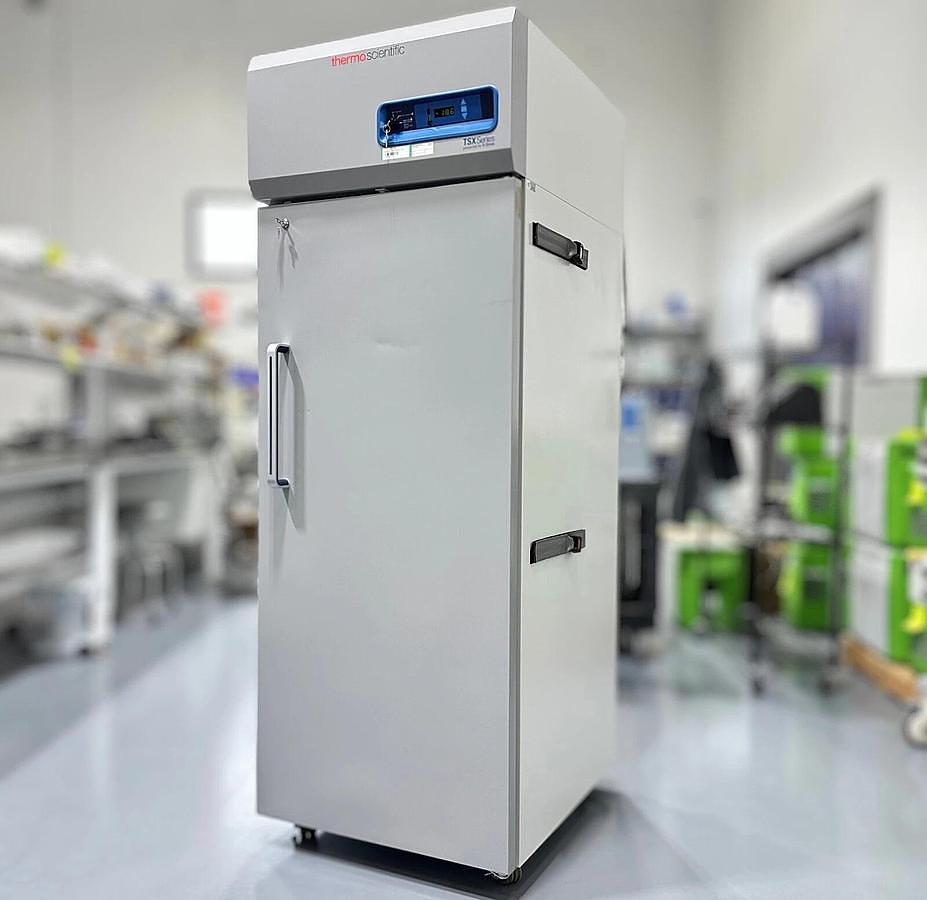
3. Temperature Control & Storage
Many biological and chemical processes require stable environmental conditions.
Recommended equipment:
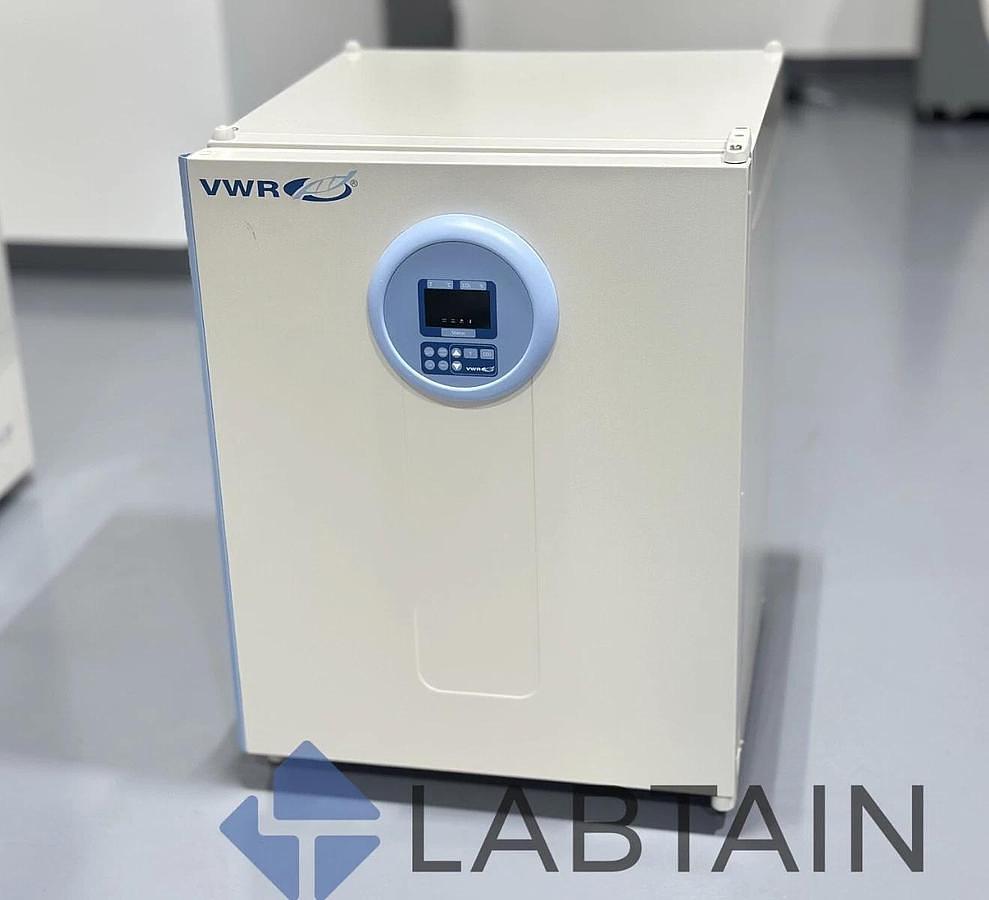
- Incubators (standard, CO₂, or shaking)
- Laboratory refrigerators
- Freezers (–20 °C or –80 °C depending on application)
Why it matters:
Proper storage preserves sample integrity and ensures regulatory compliance.
4. Sterilization & Safety Equipment
Safety is non-negotiable in any laboratory environment.
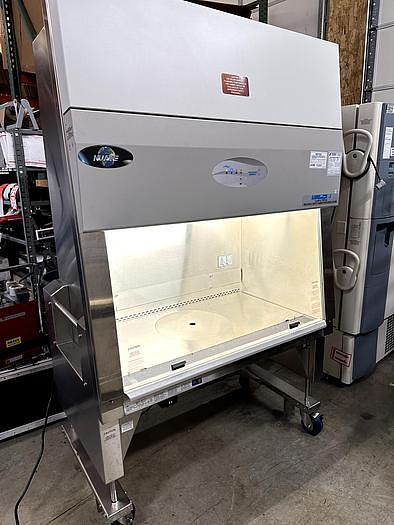
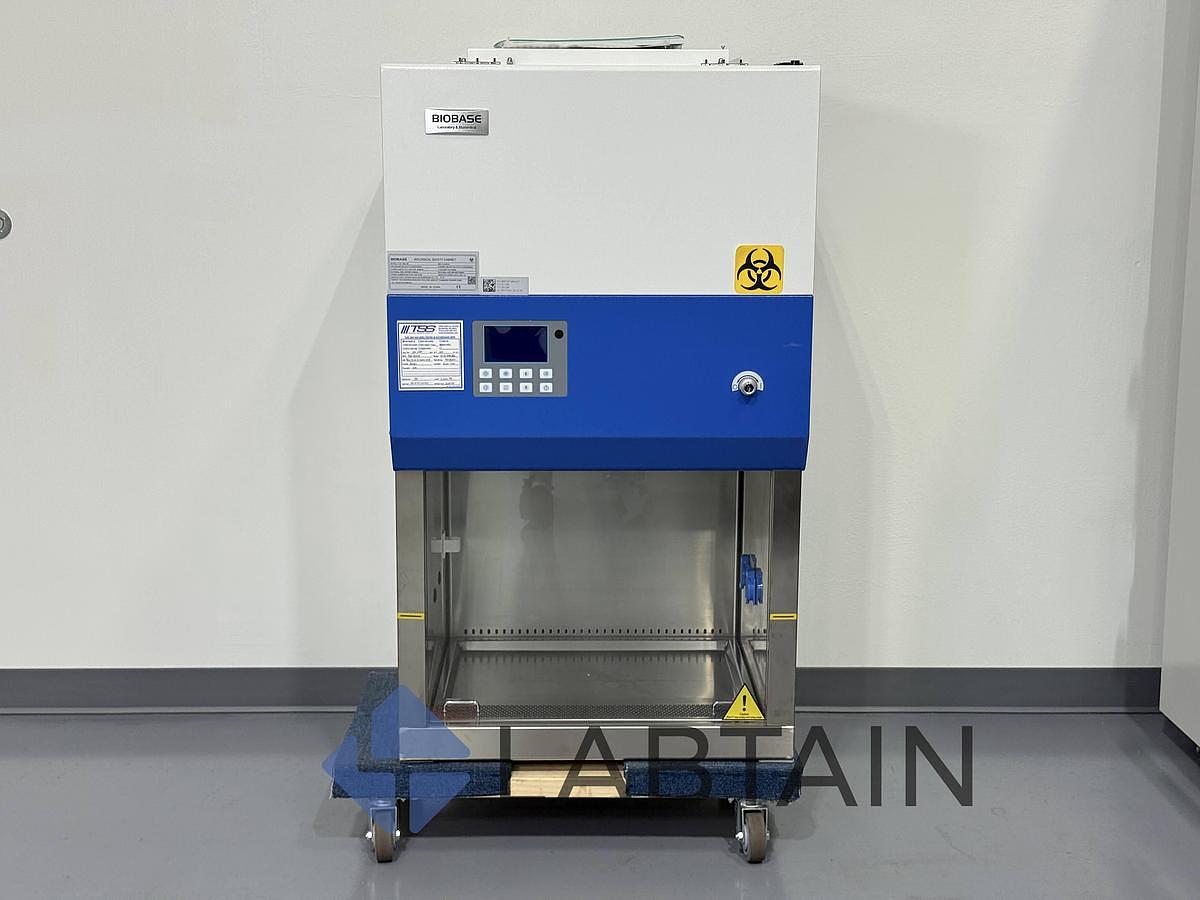
Recommended equipment:
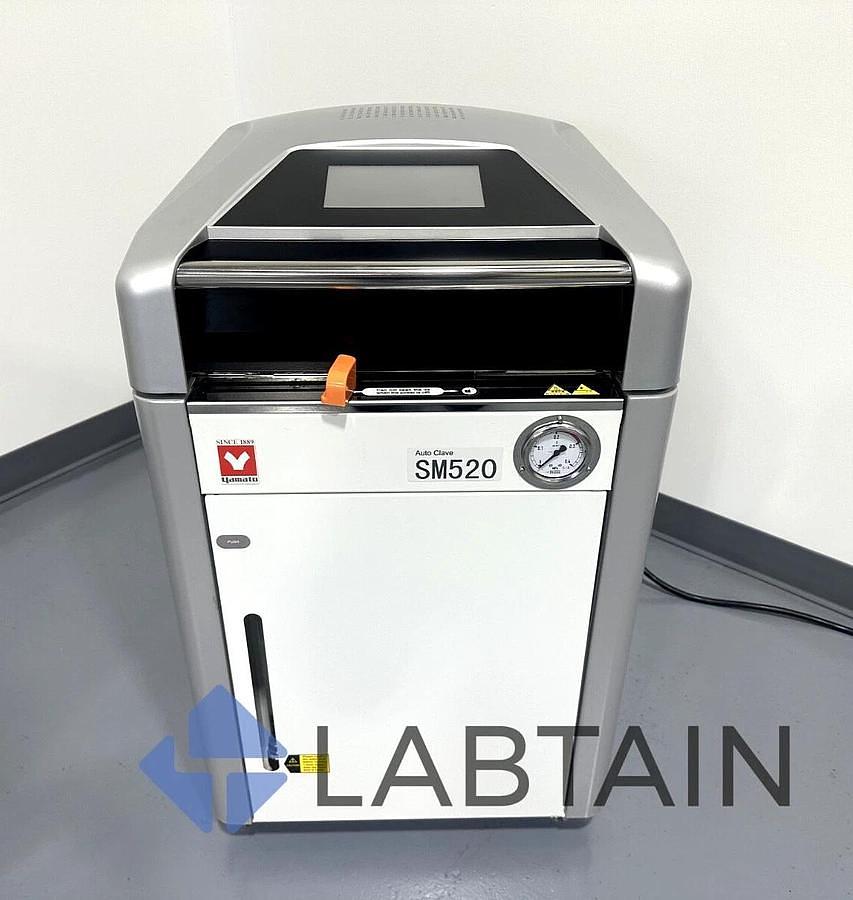
- Autoclaves or sterilizers
- Biosafety cabinets or laminar flow hoods
- Chemical fume hoods
- Emergency eyewash stations and safety showers
Why it matters:
Protects personnel, prevents cross-contamination, and ensures adherence to safety standards
5. Analytical & Detection Instruments
As your lab grows, analytical capabilities become essential.
Recommended equipment:
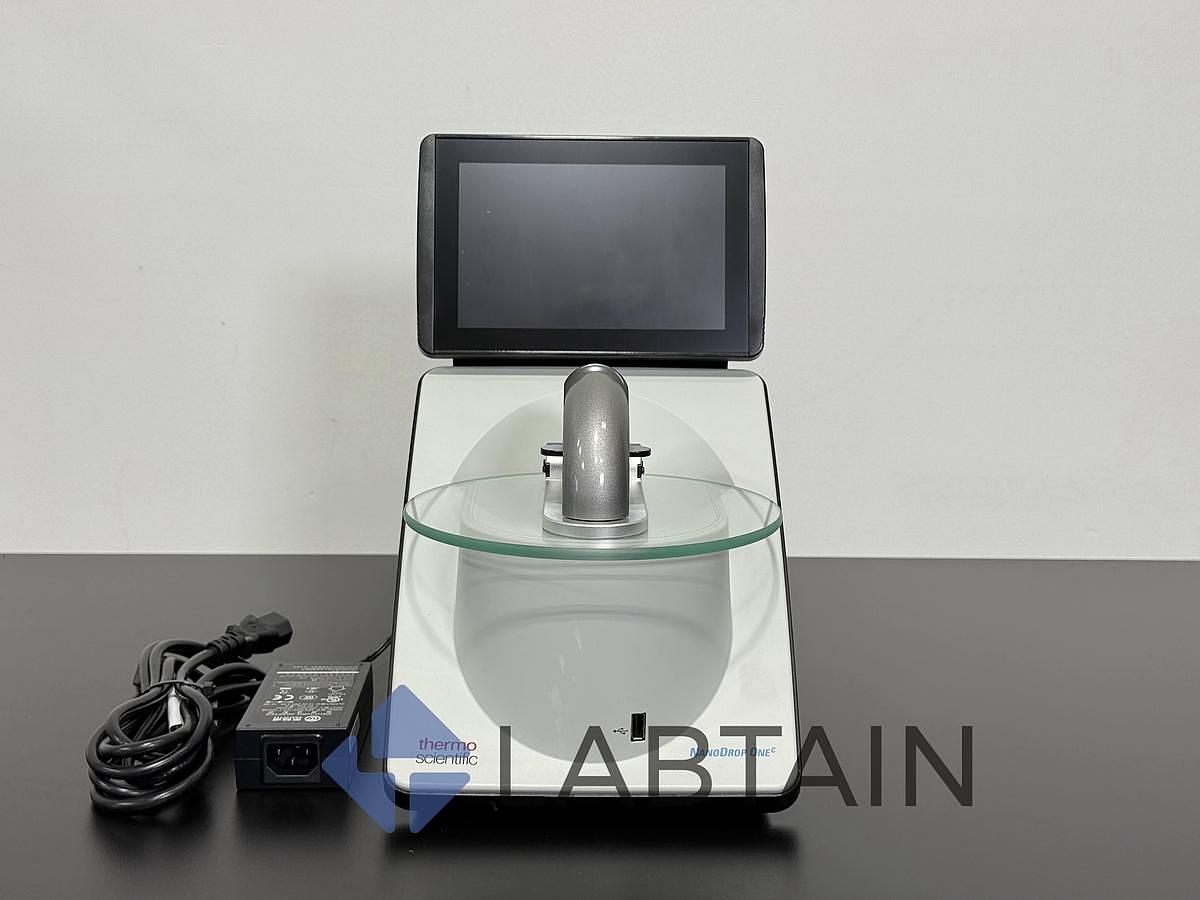
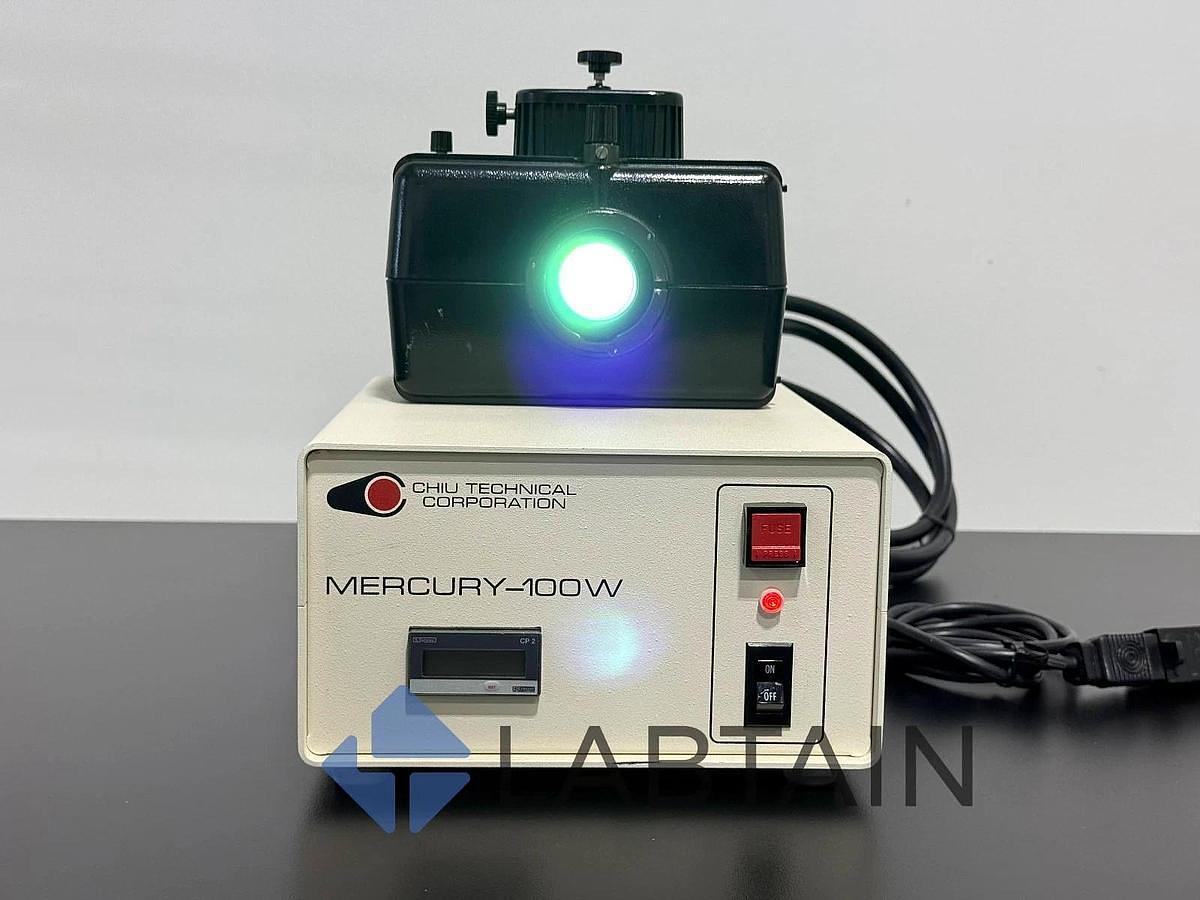
- Spectrophotometers
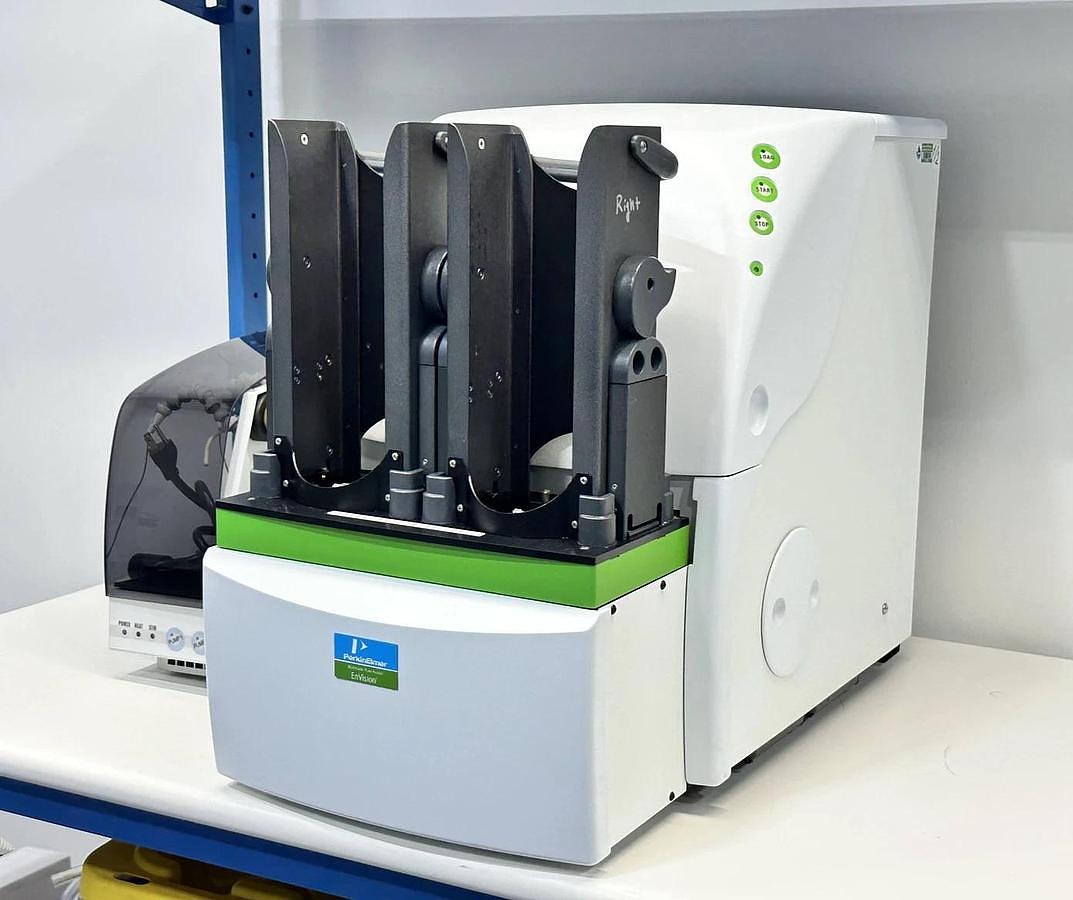
- Microplate readers
- Microscopes (brightfield, fluorescence, or inverted)
- Power supplies for electrophoresis (if applicable)
Why it matters:
These instruments enable data generation, quality control, and advanced analysis.
6. General Lab Infrastructure & Accessories
Supporting equipment ensures smooth daily operations.
Recommended equipment:
- Laboratory benches and shelving
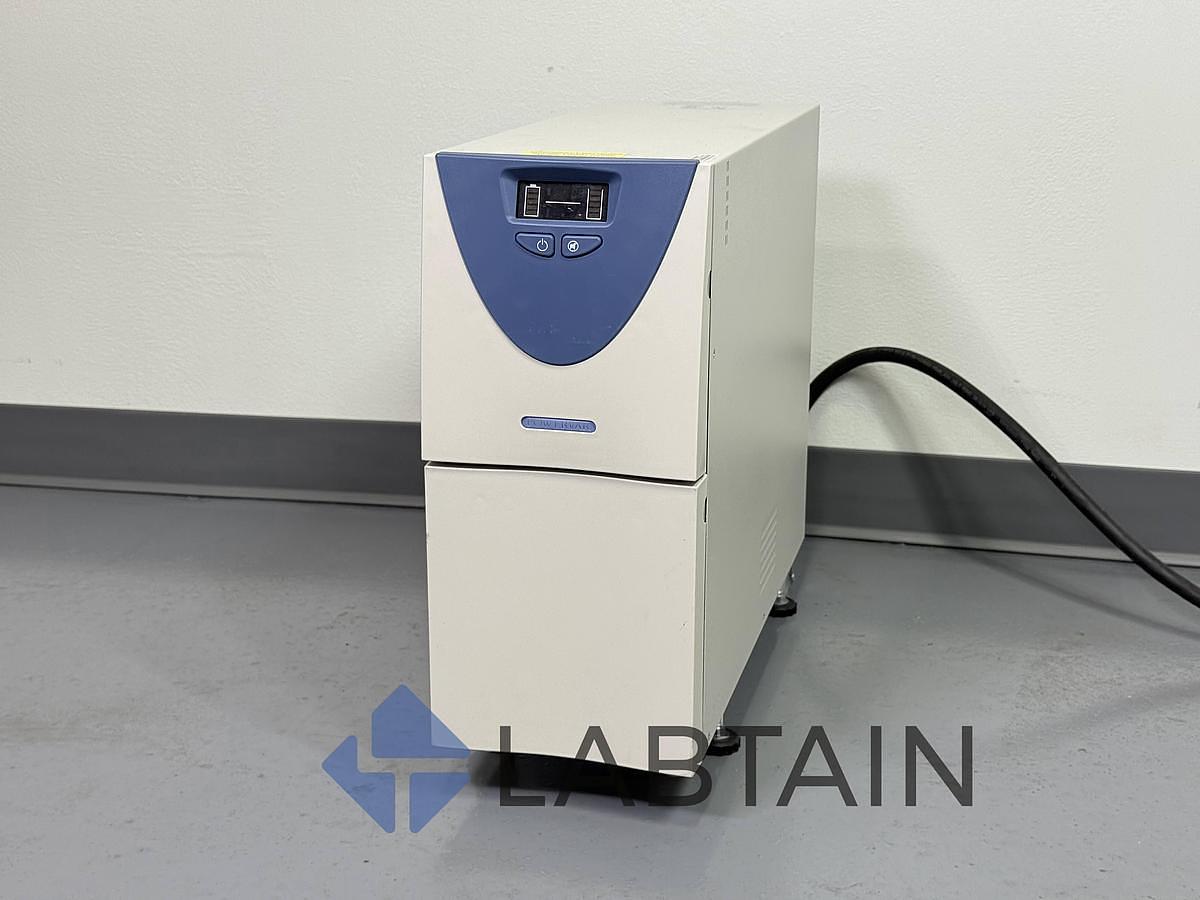
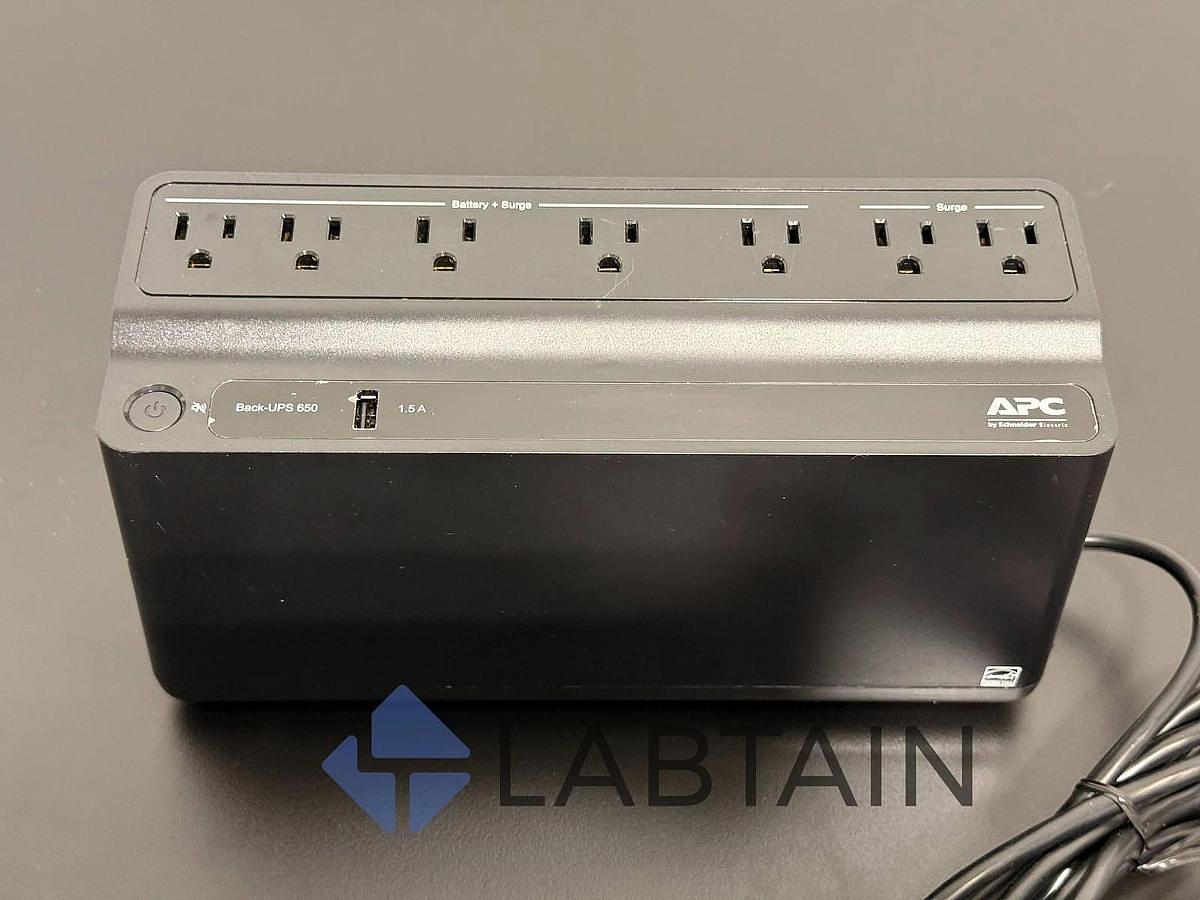
- Power supplies and surge protection
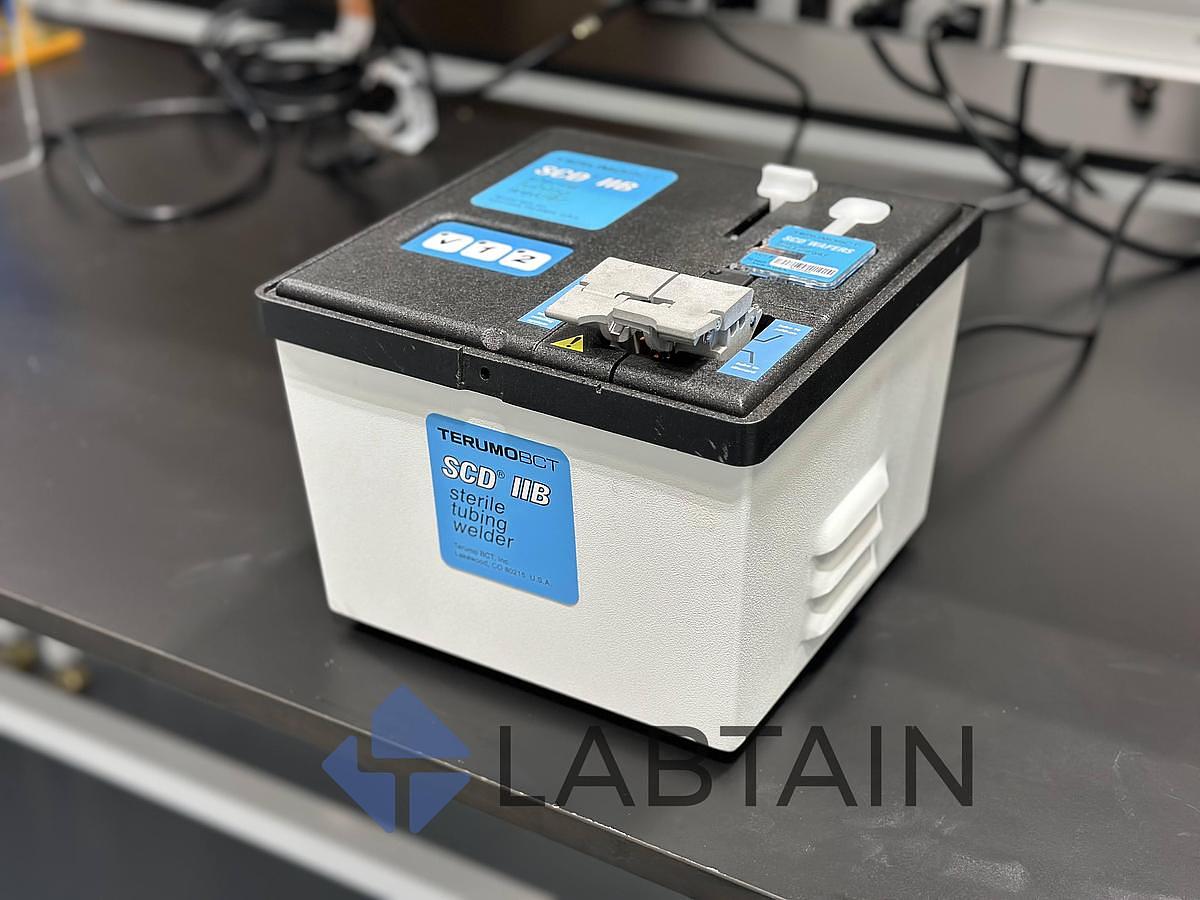
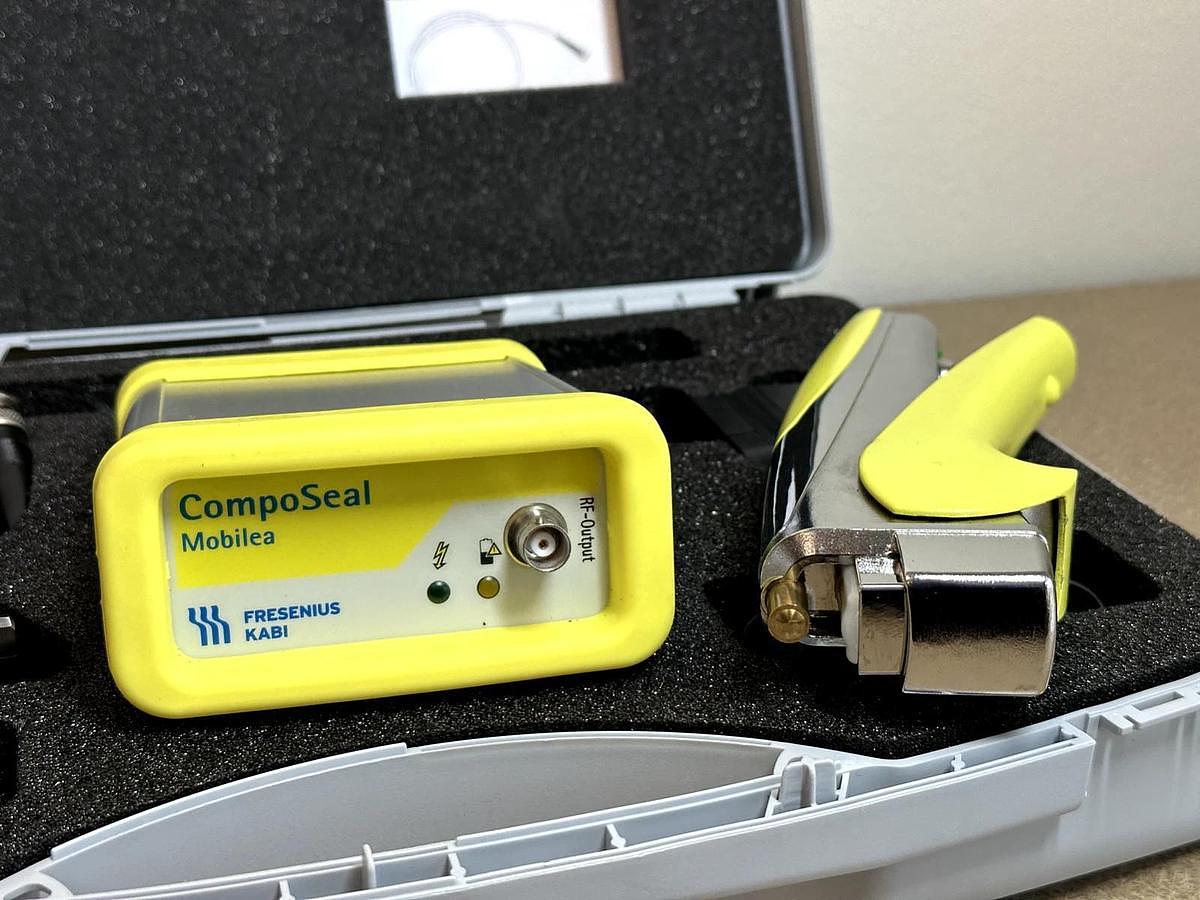
- Tube sealers and racks
- Basic consumables (tubes, tips, plates, containers)
Why it matters:
Well-planned infrastructure improves efficiency and reduces operational bottlenecks.
Final Considerations When Starting a Lab
When building a lab from scratch, consider:
- Your specific application and regulatory requirements
- Available space and electrical capacity
- Budget optimization through refurbished or certified pre-owned equipment
- Scalability for future growth
Starting with reliable core equipment allows your lab to operate effectively from day one, while leaving room to expand as needs evolve.
Need Help Selecting the Right Equipment?
Our team specializes in helping laboratories choose cost-effective, reliable equipment tailored to their application—whether you are launching a new lab or expanding an existing one.
Contact us to discuss your project and receive personalized recommendations.