

Buying a used centrifuge can be a smart and cost-effective decision for laboratories, research facilities, and biotech companies. However, centrifuges are precision instruments, and purchasing one without proper evaluation can lead to safety risks, poor performance, or unexpected repair costs.
This guide outlines the critical factors you should check before buying a used centrifuge to ensure reliability, safety, and long-term value.
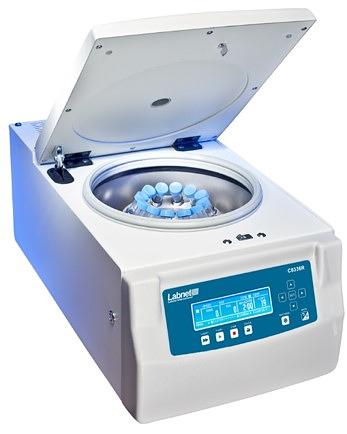
1. Identify the Centrifuge Type and Intended Use
Before evaluating condition, confirm that the centrifuge matches your application.
Key questions:
- Is it benchtop, floor-standing, microcentrifuge, or ultracentrifuge?
- Is it designed for clinical, research, or industrial use?
- What maximum RPM and RCF (×g) does it support?
- Does it support refrigerated operation if required?
Buying the wrong type is one of the most common and costly mistakes.
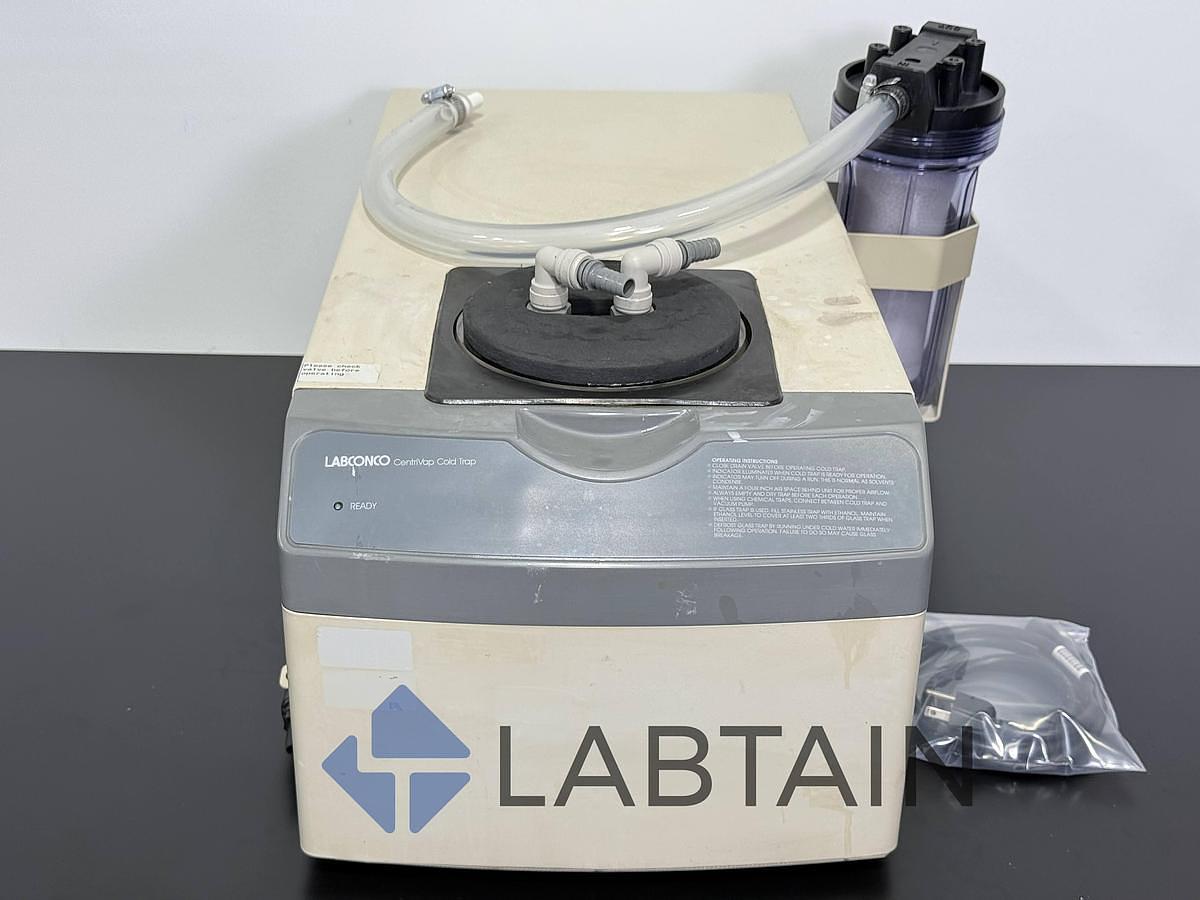

2. Check the Rotor Condition (Critical for Safety)
The rotor is the most safety-critical component of any centrifuge.
Inspect for:
- Cracks, corrosion, or pitting
- Deformation or imbalance
- Manufacturer-specified service life exceeded
- Compatibility with your intended tubes
Even microscopic damage can cause rotor failure at high speed, which is dangerous.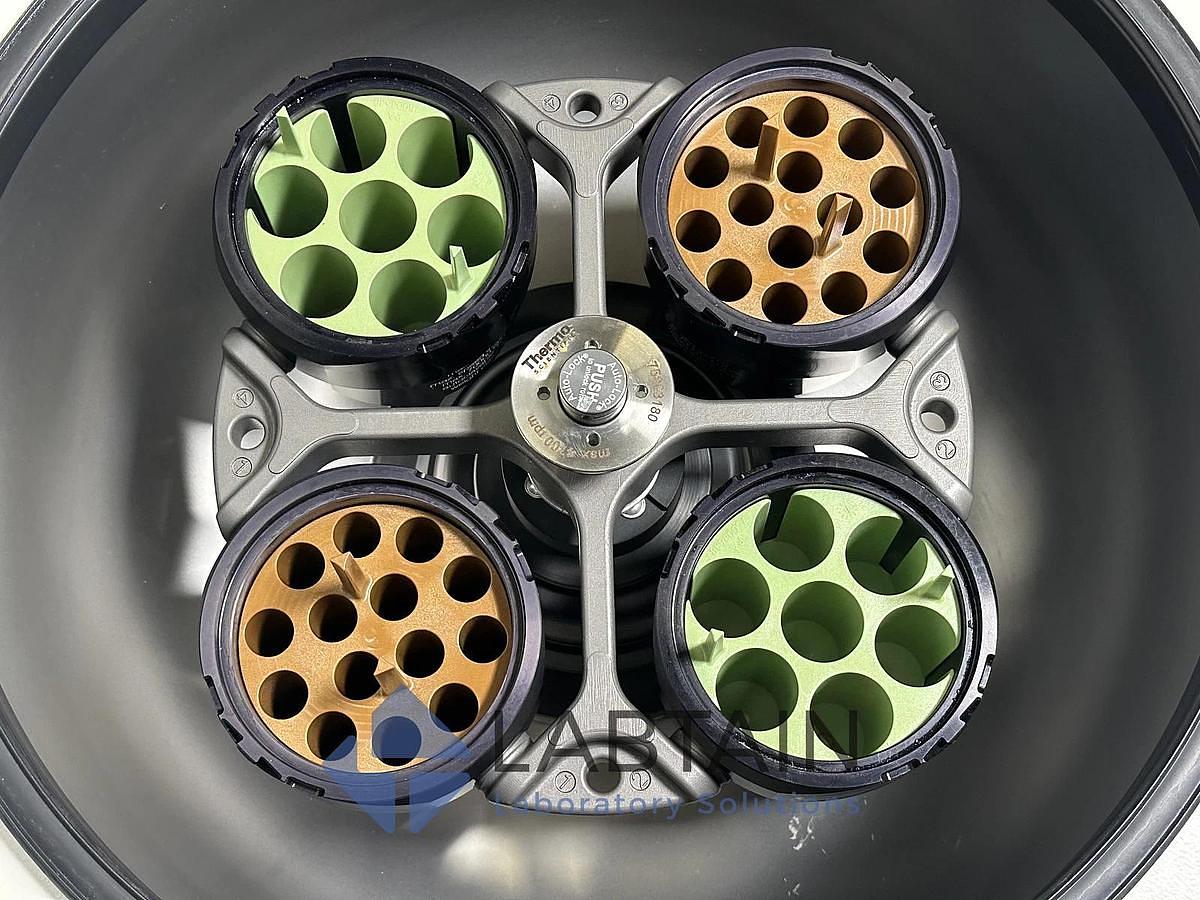
If a rotor is included, confirm:
- Exact model number
- Maximum rated RPM/RCF
- Whether inspection records are available
3. Verify Speed Control and Accuracy
A centrifuge that cannot reliably maintain speed is not suitable for laboratory use.
You should confirm:
- Speed ramps up smoothly
- RPM/RCF readings are stable
- No abnormal vibrations at high speed
In refurbished units, speed verification testing should be documented or demonstrated.
4. Listen for Motor and Bearing Wear
Motor and bearing issues are common in heavily used centrifuges.
Warning signs include:
- Grinding or whining noises
- Excessive vibration
- Delayed acceleration or deceleration
These issues may indicate expensive repairs that exceed the value of the unit.

5. Inspect Refrigeration System (If Applicable)
For refrigerated centrifuges, cooling performance is essential.
Check:
- Ability to reach and maintain target temperature
- Compressor noise and cycling behavior
- No visible refrigerant leaks or error codes
Temperature instability can compromise samples and invalidate results.
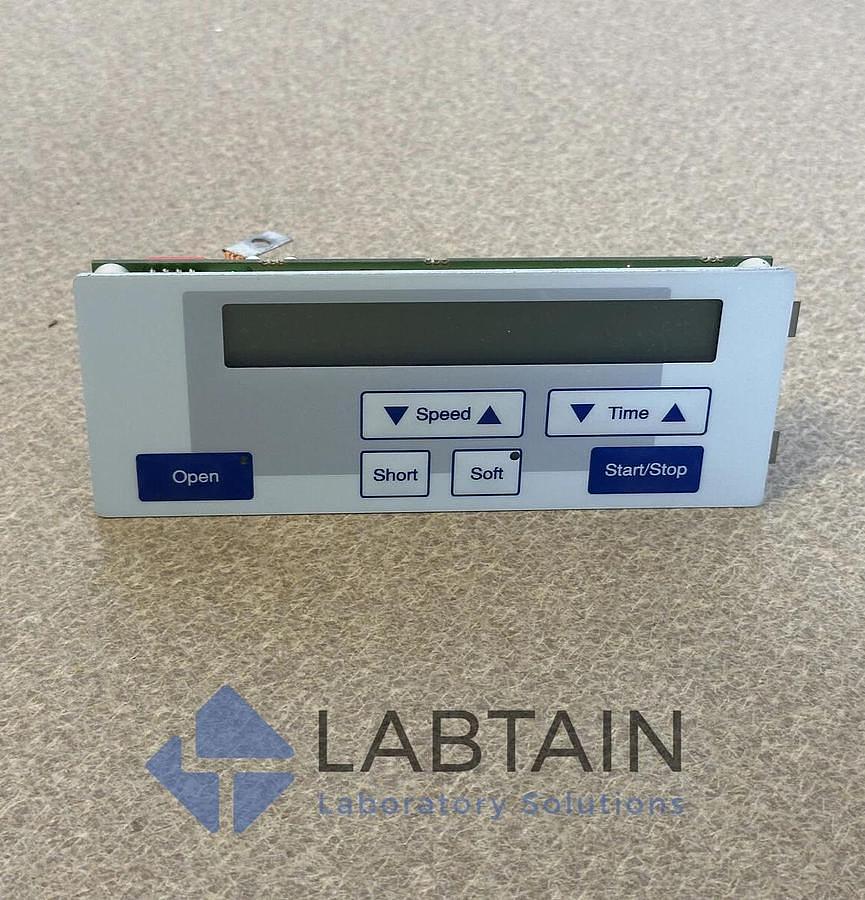
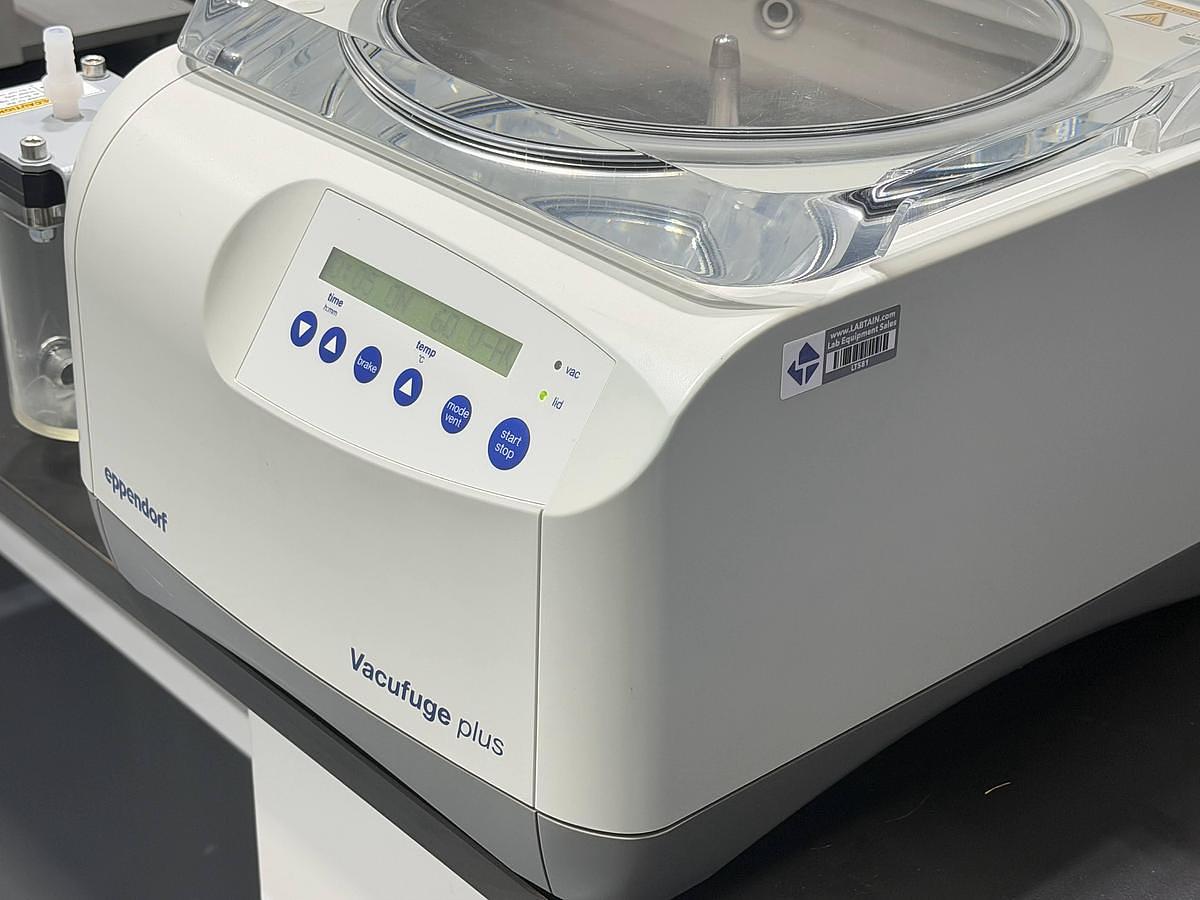
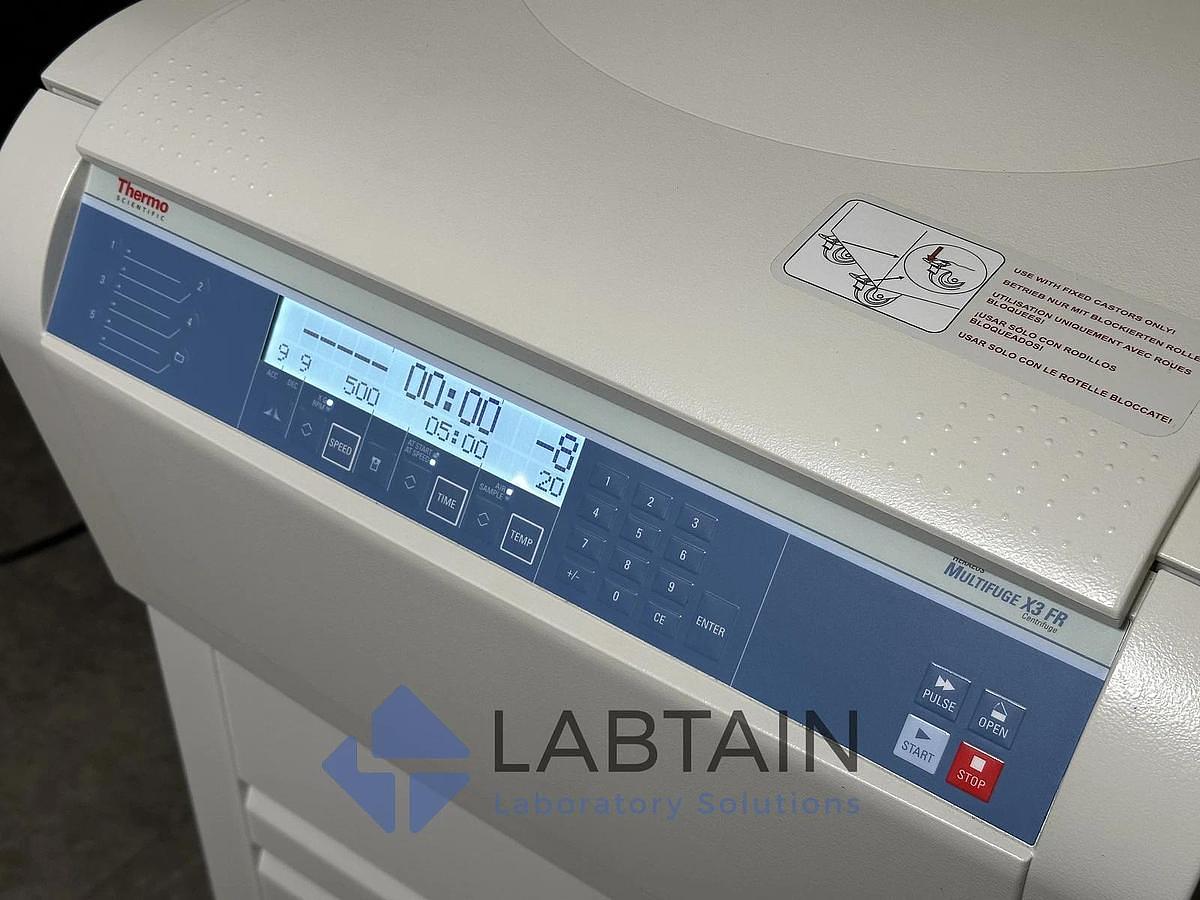
6. Evaluate Electronics and Control Interface
The control panel should be fully functional and responsive.
Verify:
- Buttons and touchscreen inputs
- Display readability
- Error code handling
- Programmable run profiles
Outdated or failing control boards may be difficult or impossible to replace.
7. Confirm Maintenance and Refurbishment History
A reputable seller should be able to explain:
- What testing was performed
- Whether parts were replaced
- Calibration or functional verification steps
Refurbished does not mean “cosmetic only.” Functional testing matters more than appearance.
8. Check Lid Locks and Safety Interlocks
Centrifuges rely on safety systems to prevent operation when unsafe.
Ensure:
- Lid locks engage correctly
- Unit does not start with lid open
- Emergency stop functions properly
Faulty safety interlocks are a serious liability.
9. Review Accessories and Compatibility
Confirm what is included:
- Rotors
- Buckets
- Adapters
- Power cords
Missing accessories can significantly increase total cost after purchase.
10. Warranty, Returns, and Seller Credibility
Even used equipment should come with:
- A defined return policy
- Basic functional warranty
- Clear seller contact information
Avoid sellers who cannot answer technical questions or provide testing details.
Final Checklist (Quick Summary)
Before buying a used centrifuge, confirm:
- Correct type for your application
- Rotor integrity and compatibility
- Stable speed and low vibration
- Motor and bearing health
- Cooling performance (if refrigerated)
- Functional controls and electronics
- Safety interlocks
- Included accessories
- Testing and refurbishment transparency