
Sustainability at Labtain: Refurbished Laboratory Equipment That Reduces Waste and Protects the Environment
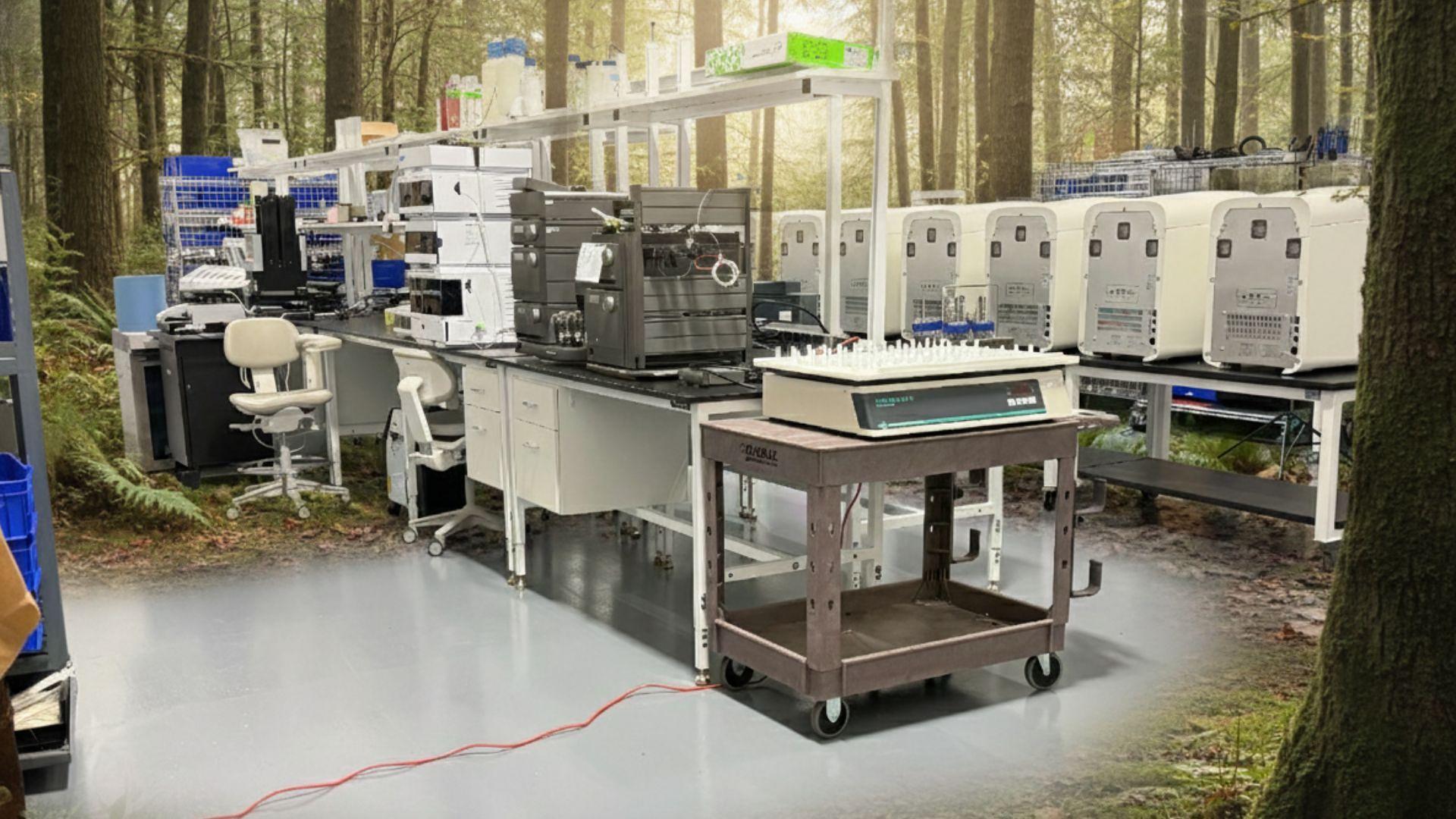
Refurbished Laboratory Equipment That Reduces Waste and Protects the Environment
Sustainability is becoming a critical priority in the scientific, medical, biotechnology, and pharmaceutical industries. At Labtain, sustainability is not a marketing trend — it is a core part of how we operate every day.
By refurbishing and reselling high-quality used laboratory equipment, we actively support environmental responsibility while providing dependable solutions for laboratories worldwide.
What Sustainability Means at Labtain
Our sustainability approach focuses on extending the life of scientific instruments and reducing unnecessary waste across the laboratory equipment lifecycle. In practice, this means:
- Refurbishing and reusing laboratory equipment instead of discarding it
- Keeping functional scientific instruments out of landfills
- Reducing electronic and industrial waste
- Supporting a circular economy for laboratory and medical equipment
Our mission is to deliver reliable, cost-effective laboratory solutions while lowering the environmental impact for research facilities, hospitals, universities, biotech startups, pharmaceutical companies, and industrial laboratories.
Why Sustainable Laboratory Equipment Matters
Laboratory instruments are complex, durable, and resource-intensive to manufacture. Systems such as centrifuges, PCR and thermal cyclers, microscopes, spectrophotometers, incubators, autoclaves, liquid handling platforms, microplate readers, and analytical instruments require significant raw materials, energy, and global logistics to produce and transport.
When these systems are replaced prematurely, they contribute to rising electronic waste and unnecessary environmental damage. In many cases, laboratories upgrade equipment due to funding cycles, technology changes, or organizational restructuring rather than true end-of-life conditions.
By restoring and reselling used laboratory equipment, Labtain reduces waste while maximizing the value of existing scientific resources.
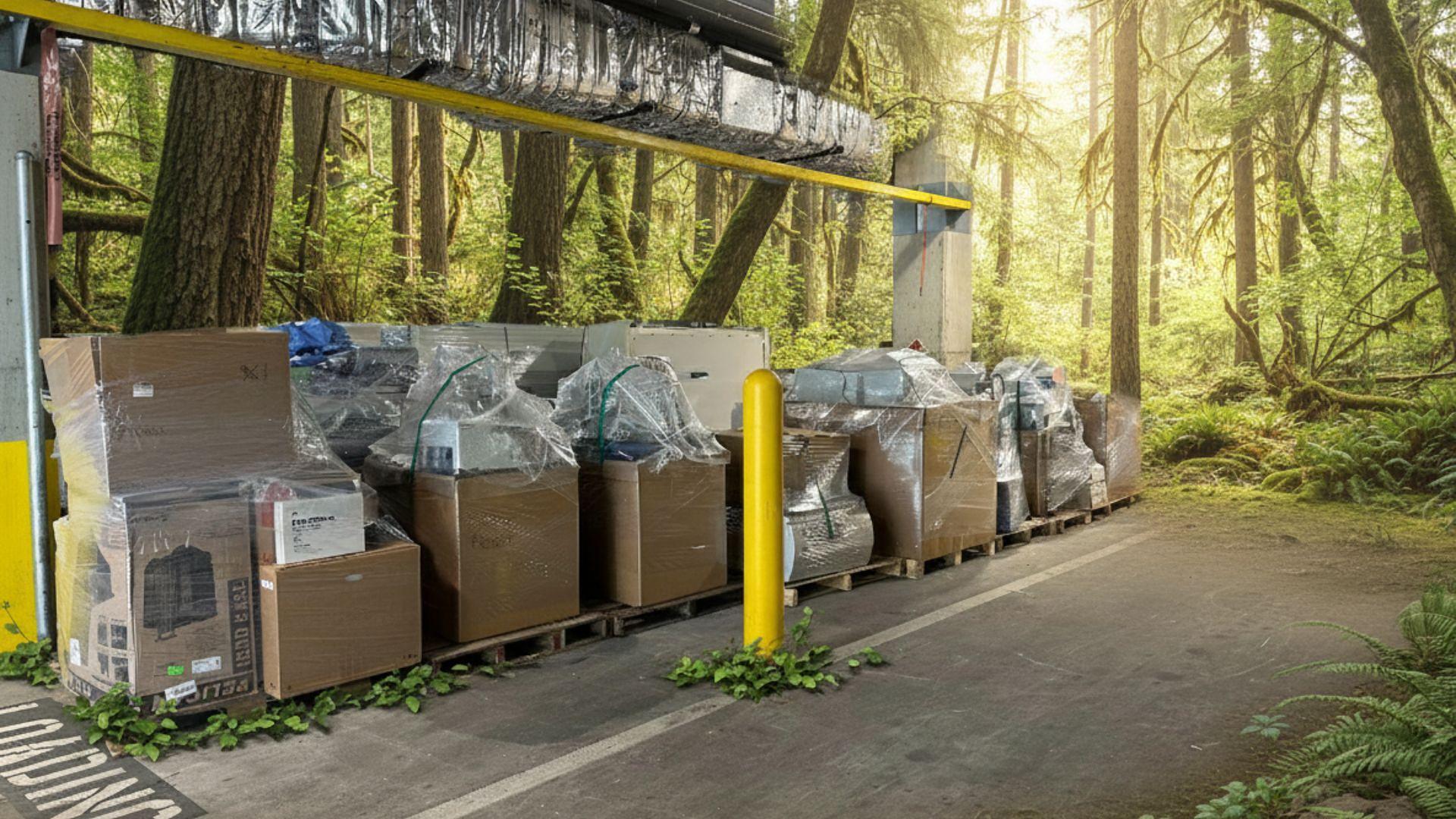
How Labtain Keeps Laboratory Equipment Out of Landfills
Professional Refurbishment and Functional Testing
Every piece of pre-owned laboratory equipment received by Labtain undergoes a structured refurbishment process designed to ensure performance, reliability, and safety.
Our technicians follow a consistent workflow that includes:
- Detailed inspection and evaluation
- Cleaning and cosmetic restoration
- Repair or replacement of worn components
- Firmware updates when applicable
- Functional and performance testing
This process extends the usable lifespan of laboratory instruments and reduces the environmental impact associated with manufacturing new equipment.
Responsible Sourcing of Used Laboratory Equipment
Labtain works directly with universities, hospitals, research institutes, biotech companies, pharmaceutical manufacturers, and industrial laboratories to source surplus and decommissioned laboratory equipment.
Instead of allowing this equipment to be scrapped or stored indefinitely, we evaluate each unit for refurbishment and reuse, ensuring valuable scientific instruments remain productive.
Circular Economy Approach for Scientific Equipment
Our business model is built around keeping laboratory equipment in active circulation. This approach helps customers reduce costs while supporting sustainability.
Key benefits of this model include:
- Lower demand for new manufacturing
- Reduced carbon emissions
- Extended life cycles for scientific instruments
- Increased access to high-quality laboratory equipment
The circular economy approach benefits both the environment and the global scientific community.
Sustainable Packaging and Shipping Practices
Sustainability at Labtain extends beyond equipment refurbishment. Our logistics processes are designed to minimize waste while protecting sensitive instruments during transport.
We focus on:
- Reusing packing materials whenever possible
- Designing custom protective crates
- Prioritizing recyclable packaging materials
- Reducing unnecessary plastic usage
These practices ensure secure delivery while maintaining environmentally responsible shipping standards.
Responsible Recycling and Zero-Landfill Focus
When laboratory equipment or components cannot be refurbished, Labtain follows responsible recycling practices.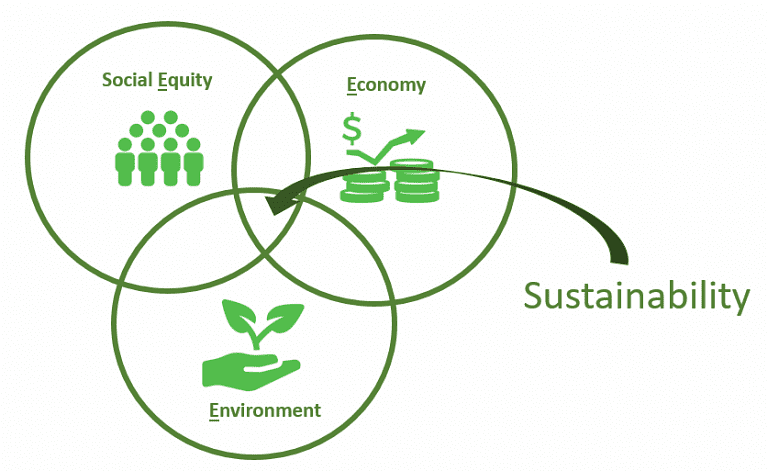
Our recycling process includes:
- Separation of metals, electronics, and plastics
- Use of approved recycling channels
- Minimization of landfill disposal
Our goal is to ensure that every possible component is reused or recycled responsibly.
Benefits of Choosing Refurbished Laboratory Equipment From Labtain
Choosing refurbished laboratory equipment from Labtain provides both environmental and financial advantages.
Customers benefit from:
- Reliable, professionally tested instruments
- Reduced capital equipment costs
- Lower electronic waste generation
- Extended equipment life cycles
- Support for sustainable laboratory practices
Each purchase directly contributes to a cleaner and more responsible laboratory industry.
Labtain’s Long-Term Commitment to Sustainability
Sustainability is an ongoing commitment at Labtain. We continuously improve refurbishment standards, expand recycling initiatives, and educate customers about environmentally responsible laboratory equipment solutions.
Our goal is to make sustainable purchasing decisions practical, transparent, and accessible for laboratories of all sizes.
Conclusion
At Labtain, sustainability is built into everything we do. From refurbishing and testing used laboratory equipment to responsible packaging, shipping, and recycling, we are committed to keeping valuable scientific instruments out of landfills and in active use.
By choosing Labtain, laboratories worldwide contribute to a cleaner environment, a more sustainable scientific ecosystem, and a future where laboratory equipment is reused rather than wasted.