
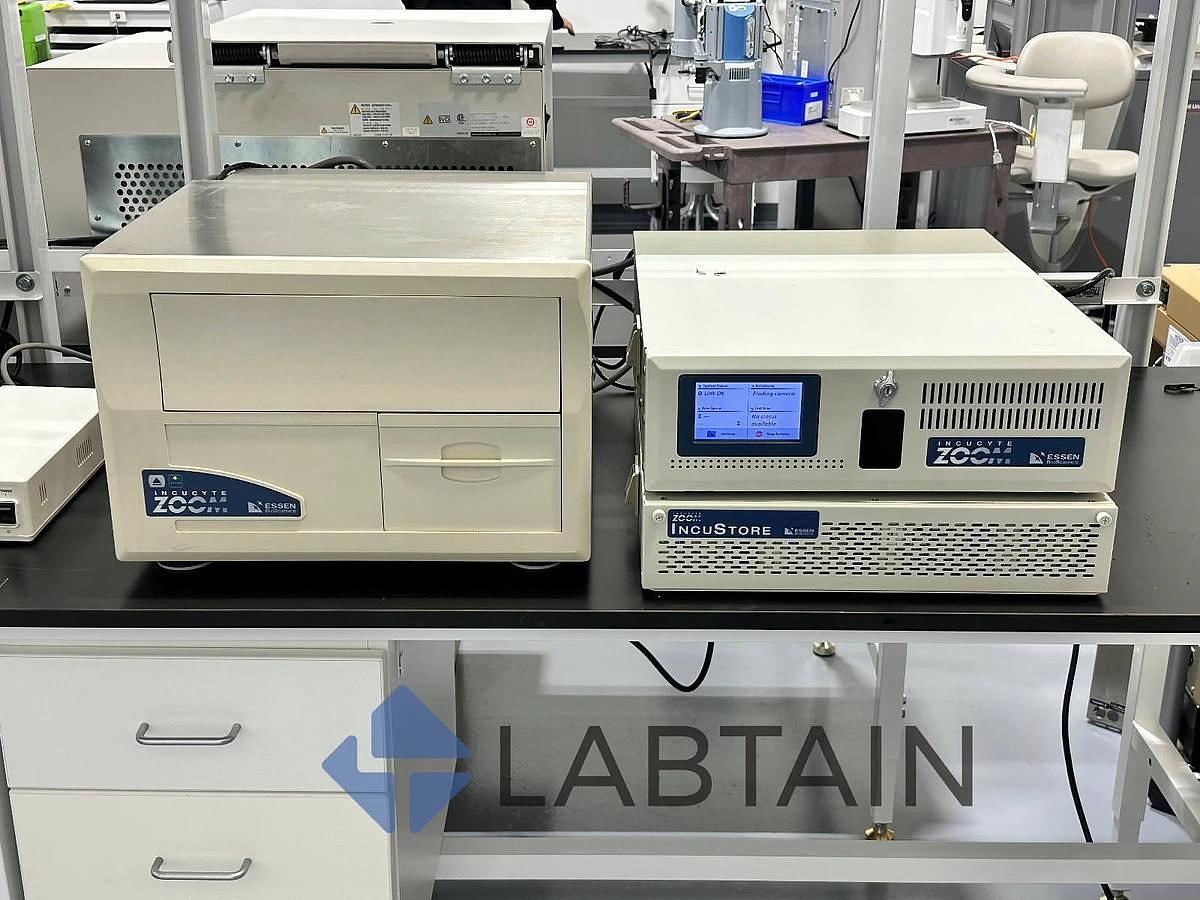
STEP 1: Start With the Condition, Not the Price
The price of a used instrument doesn’t tell the whole story. The most important factor is always the true physical and functional condition. A centrifuge that powers on but vibrates is far more expensive to fix than one that’s been properly tested. A microscope may look clean, but lenses can be fogged or misaligned. Always focus on the actual performance, not just how the unit looks in photos.
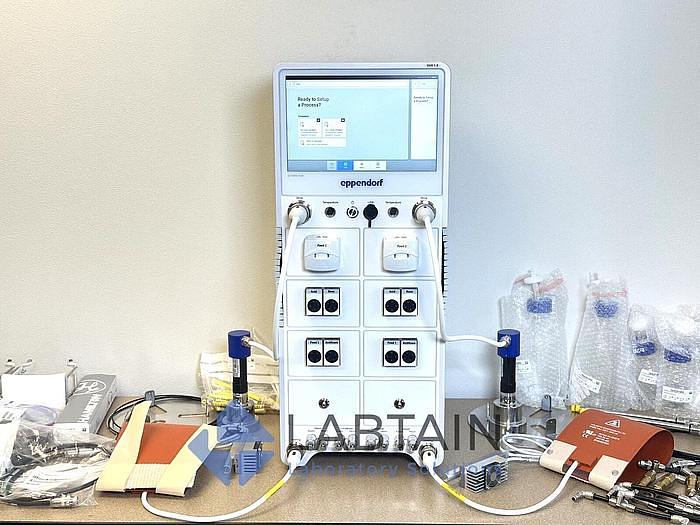
STEP 2: Ask What Tests Were Performed
Any trustworthy seller should be able to explain how the equipment was tested. For example, a chiller should reach temperature and maintain stability, a thermal cycler should pass temperature uniformity checks, and an HPLC system should be verified for leaks and detector performance. Clear testing results show the seller understands the equipment and stands behind their listings.
STEP 3: Check for Missing Parts and Accessories
Many lab instruments require specific accessories to function: rotors for centrifuges, power supplies for gel boxes, objectives for microscopes, tubing for chillers, and racks for shakers. Missing components can add hundreds of dollars to your total cost. Before buying, confirm what exactly is included and what additional parts you may need.
STEP 4: Look for Real Photos, Not Stock Images
In 2025, buyers expect transparency. Real photos of the actual unit—taken from multiple angles, showing the serial number, internal components, screens, and key wear points—give you an accurate picture of what you are buying. Stock images usually indicate a seller who has not inspected the equipment closely.
STEP 5: Consider the Age and Usage
Lab equipment wears differently depending on how heavily it was used. A gently used centrifuge from a university teaching lab may last longer than a newer one that ran eight hours a day in a clinical environment. Ask about the equipment’s history when possible. Age alone does not determine quality—usage patterns matter more.
STEP 6: Make Sure Documentation Is Available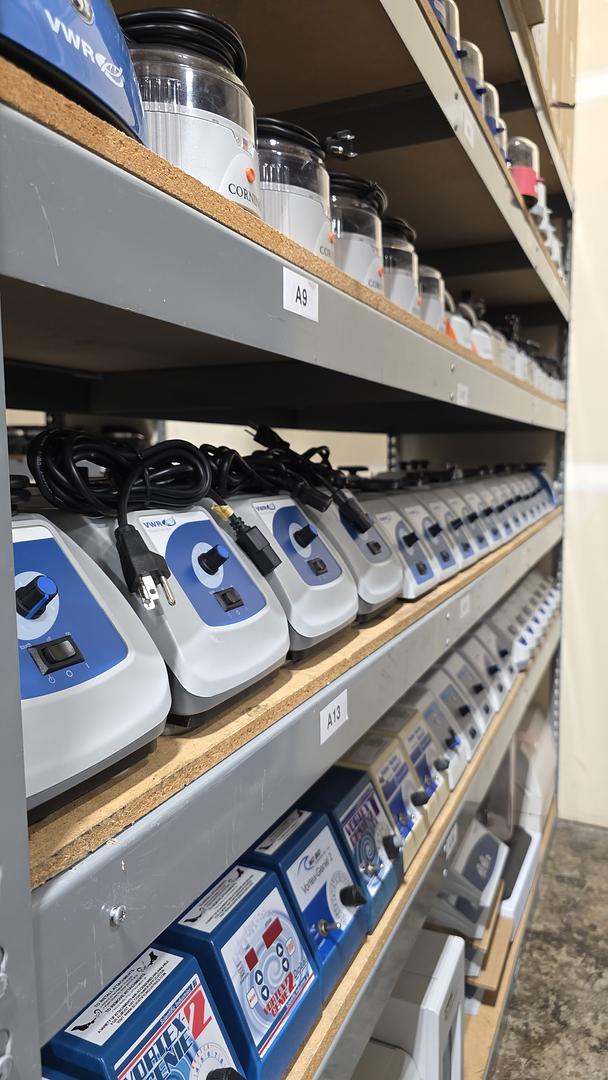
Manuals, calibration reports, and service history can be extremely helpful. Even if the equipment is fully functional, having documentation ensures easier setup and troubleshooting. If the seller provides test videos or performance screenshots, that is even better.
STEP 7: Buy From Sellers Who Specialize in Lab Equipment
General surplus sellers may not understand how lab equipment works or how to test it properly. In contrast, companies that specialize in laboratory instruments know how to evaluate condition, verify performance, and package equipment correctly for shipping. This dramatically reduces the risk of receiving a damaged or nonfunctional item.
STEP 8: Ask About Proper Packing and Shipping
Many used instruments are damaged not because they were faulty, but because they were packed incorrectly. A centrifuge or microscope needs special protection, and chillers must be drained and blocked before shipping. Make sure the seller knows how to pack laboratory equipment—not just electronics. This is critical for safe delivery.
Buying Used Lab Equipment Can Be Safe and Reliable With Labtain